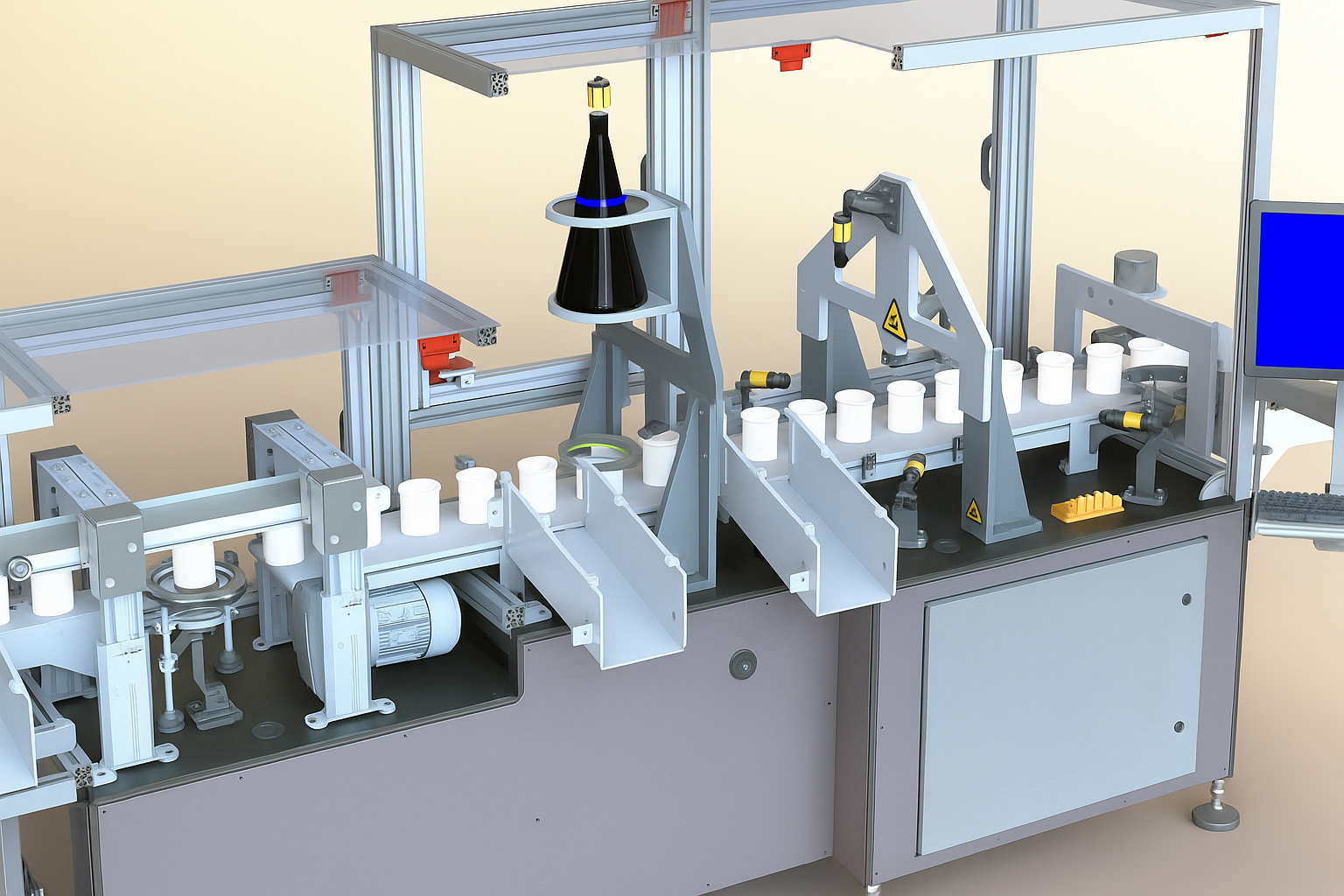
Industrial conveyor systems may not be the most visible part of your operation, but they are often the most critical. Whether you run a manufacturing plant, a warehouse, or a distribution center, conveyors quietly determine how smoothly materials move, how hard your team works, and how efficiently your business runs.
At Eti Automation, we spend a lot of time on factory floors and in warehouses. We see what works, what fails, and what causes unnecessary downtime. This guide is not written for search engines or textbooks. It’s written for business owners, operations managers, and engineers who want to understand conveyor systems in a clear and practical way.
Our goal is simple: help you make better decisions.
What Is an Industrial Conveyor System?
An industrial conveyor system is a mechanical setup designed to move materials or products from one location to another with minimal manual handling. These systems are used across manufacturing, warehousing, food processing, automotive plants, logistics hubs, and many other industries.
Instead of workers carrying items or relying heavily on forklifts, conveyors create a controlled and repeatable flow of materials. This leads to better efficiency, safer working conditions, and more predictable output.
Conveyors can move:
- Small components or large pallets
- Lightweight cartons or heavy metal parts
- Loose bulk materials or packaged products
The system can be simple or highly automated, depending on the need.
Why Conveyor Systems Are So Important in Industrial Operations
Many businesses underestimate the impact of material movement. Production machines often get the attention, but how materials reach those machines is just as important.
Common Problems Without Conveyors
We often see operations struggling with:
- Too much manual handling
- Workers walking long distances
- Congestion around forklifts
- Inconsistent production flow
- Higher risk of injuries
These issues usually grow as the business grows.
How Conveyors Solve These Problems
Industrial conveyor systems help by:
- Creating steady and predictable workflows
- Reducing physical strain on workers
- Improving throughput and cycle times
- Minimizing product damage
- Supporting automation and scalability
Real-world example:
A mid-sized manufacturing plant relied on forklifts to move parts between processes. After installing a basic conveyor line, forklift traffic dropped significantly, safety improved, and production delays were reduced almost immediately.
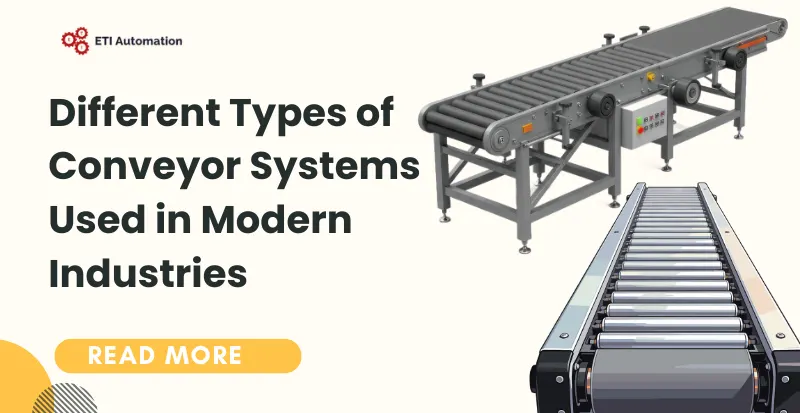
Understanding the Main Types of Industrial Conveyor Systems
Choosing the right conveyor starts with understanding your options. Each type serves a specific purpose, and selecting the wrong one can lead to ongoing issues.
Belt Conveyors
Belt conveyors use a continuous belt looped over pulleys to move products.
Common uses:
- Boxes and cartons
- Packaged goods
- Light to medium-weight items
Advantages:
- Smooth and quiet operation
- Can handle long distances
- Gentle on products
Things to consider:
The belt material matters. For example, food-grade belts are different from belts used in heavy manufacturing. Environmental factors like heat, oil, or moisture also affect belt choice.
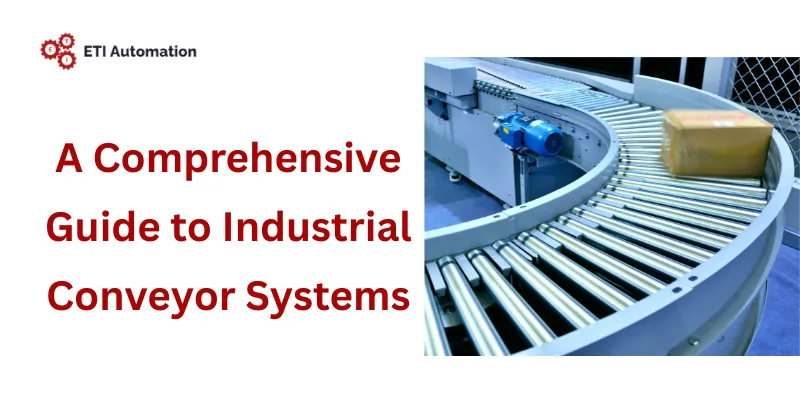
Roller Conveyors
Roller conveyors use a series of rollers to move products. They can be gravity-driven or powered.
Common uses:
- Warehouses and distribution centers
- Packing and shipping areas
- Pallet movement
Advantages:
- Simple design
- Easy to expand or modify
- Cost-effective
Practical tip:
Gravity roller conveyors need proper slope and spacing. Too steep, and products move too fast. Too flat, and they stop moving.
Chain Conveyors
Chain conveyors move products using chains rather than belts or rollers.
Common uses:
- Heavy pallets
- Automotive assemblies
- Industrial environments with heat or debris
Advantages:
- Extremely durable
- Handles heavy loads
- Long service life
These systems are ideal when strength and reliability matter more than speed.
Screw Conveyors
Screw conveyors use a rotating screw inside a tube or trough to move bulk materials.
Common uses:
- Powders
- Grains
- Cement
- Chemicals
Advantages:
- Controlled material flow
- Enclosed design reduces spills
- Compact footprint
Important note:
Screw conveyors are great for bulk materials but not suitable for fragile items that can break under pressure.
Overhead Conveyor Systems
Overhead conveyors move products above floor level using tracks or chains.
Common uses:
- Assembly lines
- Paint and coating processes
- Space-constrained facilities
Advantages:
- Frees up floor space
- Keeps products organized
- Works well with automated processes
How to Choose the Right Conveyor System for Your Business
Selecting the right conveyor system is not just about equipment specs. It’s about understanding your operation as a whole.
At Eti Automation, we usually start with these questions.
1. What Are You Moving?
Consider:
- Size and weight
- Shape and stability
- Fragility
- Temperature or contamination concerns
A conveyor that works for boxes may fail completely for irregular or heavy items.
2. How Much Volume Do You Handle?
Your current volume matters, but future growth matters more.
From experience:
Many businesses regret designing conveyors only for today’s demand. Expanding later often costs more than planning ahead.
3. What Is Your Facility Layout?
Key factors include:
- Available floor space
- Ceiling height
- Turns and elevation changes
- Access points for maintenance
Sometimes the layout drives the conveyor design more than the product itself.
4. How Much Automation Do You Want?
Conveyors can operate:
- Manually
- Semi-automated
- Fully automated
If automation is in your future, conveyors should be designed to integrate with sensors, PLCs, and control systems from the start.
Conveyor System Design Best Practices
Good conveyor systems are rarely accidental. They are designed with both machines and people in mind.
Focus on Flow, Not Speed
Faster conveyors do not always mean better productivity. Smooth flow with minimal stops usually delivers better results.
Design for Maintenance
Maintenance access is often overlooked.
Good design includes:
- Easy belt replacement
- Accessible motors and gearboxes
- Clear inspection points
Involve the People Who Use It
Operators and maintenance teams often know where problems will occur. Their input can prevent costly design mistakes.
Safety Considerations in Conveyor Systems
Safety is not optional. Poorly designed conveyors can create serious hazards.
Common Safety Risks
- Pinch points
- Unguarded moving parts
- Poor emergency stop placement
Safety Best Practices
- Proper guarding
- Clearly marked emergency stops
- Lockout/tagout procedures
- Regular safety inspections
Simple but effective:
Training operators to recognize early warning signs often prevents accidents and breakdowns.
Maintenance and Long-Term Reliability
Even the best conveyor system needs care.
Preventive Maintenance Matters
Regular checks can prevent:
- Belt misalignment
- Roller wear
- Chain stretching
Small issues left unattended often lead to major failures.
Spare Parts Planning
Keeping critical spare parts on hand reduces downtime and stress when issues arise.
Conveyor Systems and Automation Integration
Conveyors often form the foundation of automated systems.
They commonly integrate with:
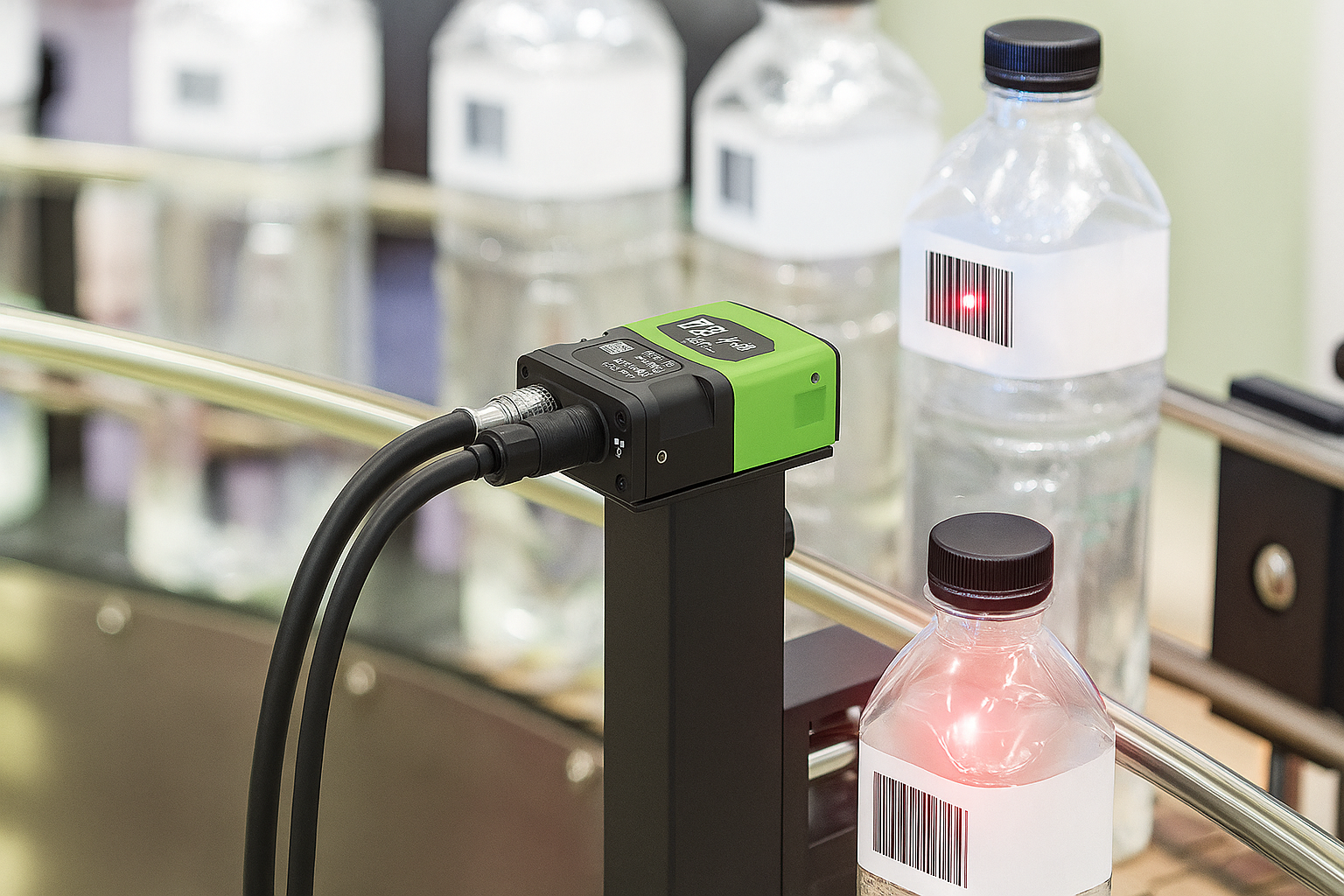
- Barcode scanners
- Sensors and vision systems
- Robotic pick-and-place units
- Palletizers and depalletizers
At Eti Automation, we often see conveyors act as the “bridge” between machines, ensuring everything works as one system instead of isolated equipment.
Common Mistakes Businesses Make with Conveyor Systems
Learning from others’ mistakes can save time and money.
Underestimating Load Requirements
Conveyors overloaded beyond design limits wear out quickly.
Ignoring Future Expansion
Designing without growth in mind limits flexibility.
Choosing Based on Cost Alone
Cheaper systems often cost more over time due to maintenance and downtime.
How Eti Automation Approaches Conveyor Solutions
At Eti Automation, we don’t start with equipment. We start with understanding your process.
Our approach focuses on:
- Real operating conditions
- Practical, proven solutions
- Long-term reliability
- Support beyond installation
We believe a conveyor system should make work easier, safer, and more predictable.
Frequently Asked Questions about Conveyor Systems
With proper design and maintenance, many conveyor systems last 10–20 years or more. Components like belts or rollers may need replacement earlier, but the core structure is built for long-term use.
Costs vary widely based on size, type, and level of automation. While the upfront cost can be significant, conveyors often reduce labor costs, injuries, and downtime, delivering strong long-term value.
Yes. Most industrial conveyor systems are custom-designed to fit the facility layout, product type, and workflow requirements.
Maintenance depends on usage and environment. Regular inspections, cleaning, and lubrication usually keep systems running reliably.
When designed and maintained properly, conveyors significantly improve workplace safety by reducing manual handling. Proper guarding and training are essential.
Yes. Chain conveyors and heavy-duty roller conveyors are specifically designed for pallets and heavy materials.
Many systems can be expanded or upgraded, especially if future growth was considered during the initial design.
Conveyors provide consistent material flow, making it easier to integrate robotics, sensors, and control systems.