When businesses plan to install a conveyor system, one of the first questions they ask is simple:
“How much does a conveyor system cost in India?”
The honest answer is: it depends.
Conveyor systems are not one-size-fits-all machines. Every factory, warehouse, and production line has different needs. The layout, product type, load weight, automation level, and safety requirements all influence the final cost.
At Eti Automation, we work with many industries across India—manufacturing plants, warehouses, packaging units, food processing facilities, and logistics hubs. From our experience, most businesses are not just looking for the cheapest conveyor. They want a reliable system that improves efficiency and reduces long-term operational costs.
This guide explains the real factors that affect conveyor system pricing in India, along with practical insights to help you plan your investment wisely.
What Is the Average Conveyor System Cost in India?
Before discussing the factors, let’s look at a general price range. Keep in mind that these are approximate market estimates based on common industrial installations.
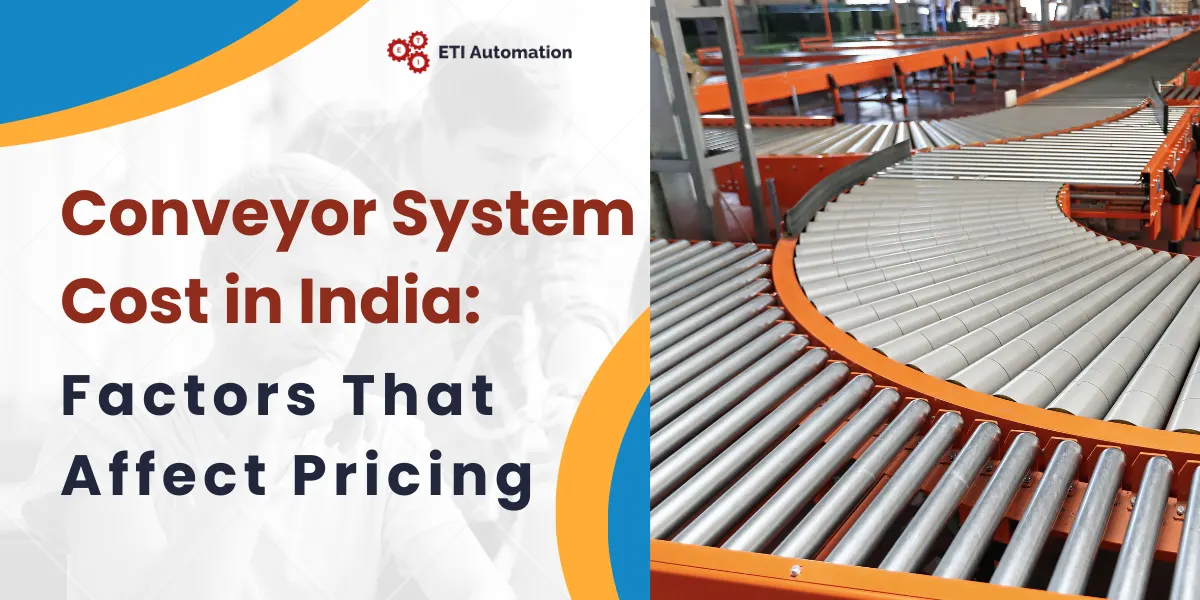
| Conveyor Type | Approximate Cost Range |
| Simple Belt Conveyor | ₹50,000 – ₹2,50,000 |
| Roller Conveyor | ₹40,000 – ₹2,00,000 |
| Powered Conveyor Systems | ₹1,50,000 – ₹10,00,000+ |
| Automated Conveyor Systems | ₹5,00,000 – ₹50,00,000+ |
| Complete Production Line Conveyor | ₹20,00,000 – ₹2 Crore+ |
Prices vary based on size, materials, automation level, and installation complexity.
For example:
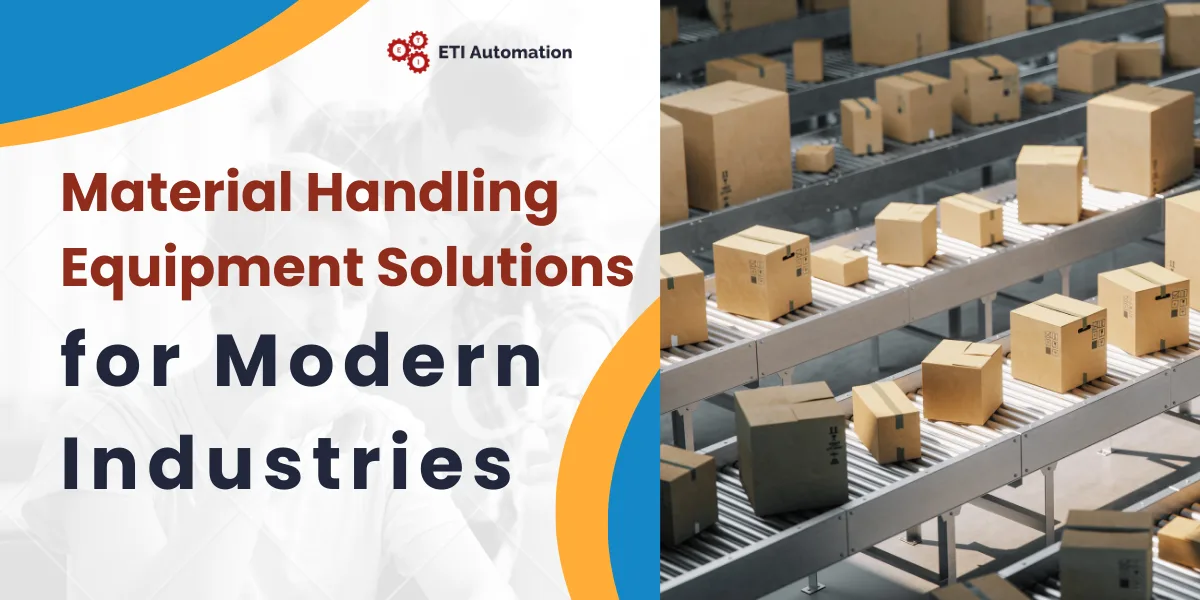
- A small warehouse conveyor used for carton movement may cost around ₹1–3 lakh
- A food packaging conveyor line may cost ₹5–15 lakh
- A fully automated conveyor system for large manufacturing plants may exceed ₹50 lakh
This is why understanding cost factors is important.
Why Conveyor Systems Are Worth the Investment
Many business owners initially focus on the upfront price. However, conveyor systems are usually installed to reduce long-term operating costs.
Studies in industrial automation show that conveyor systems can:
- Improve material handling efficiency by 30–60%
- Reduce manual labor costs by 20–40%
- Improve production speed and consistency
- Reduce workplace injuries caused by manual handling
For warehouses and manufacturing units in India, this means faster operations and better scalability.
Key Factors That Affect Conveyor System Cost in India
Let’s break down the main elements that influence conveyor system pricing.
1. Type of Conveyor System
The type of conveyor is the biggest factor affecting cost.
Different industries require different designs.
Common Conveyor Types
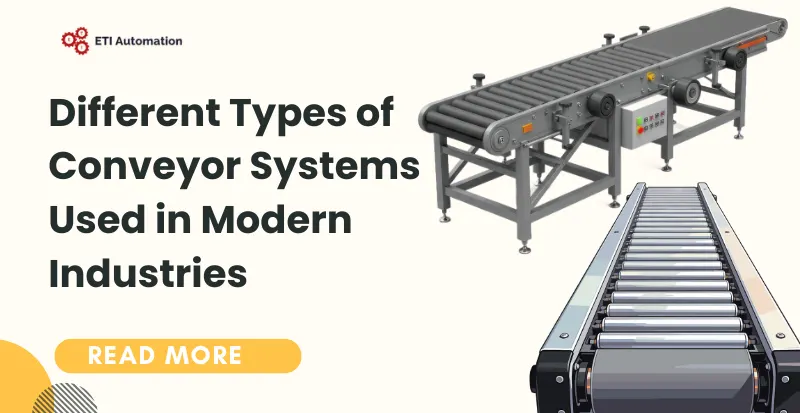
Belt Conveyor
Used widely in:
- Packaging
- Food processing
- Manufacturing
- Warehouses
Belt conveyors are simple and cost-effective, making them one of the most affordable conveyor solutions.
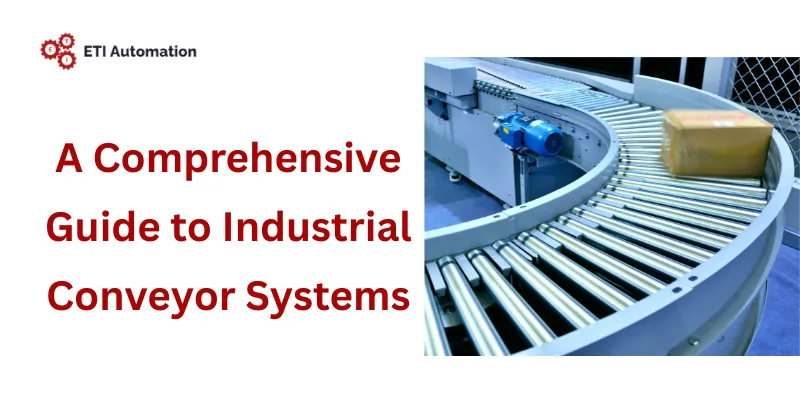
Roller Conveyor
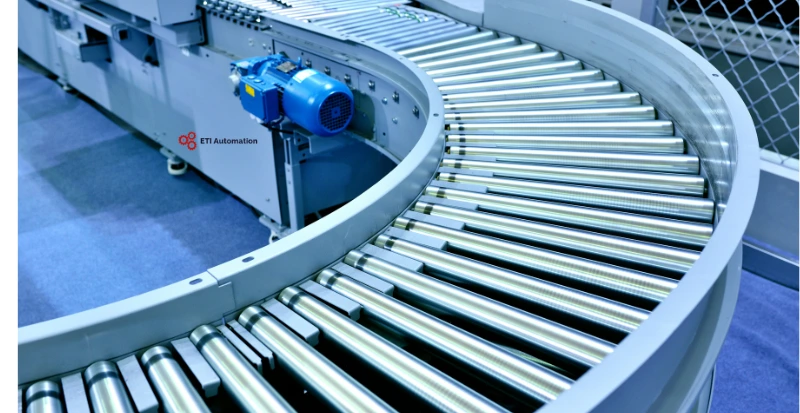
These conveyors move products using rollers instead of belts.
Used for:
- Cartons
- Boxes
- Pallets
- Logistics operations
Roller conveyors are ideal for heavy loads and distribution centers.
Chain Conveyor
These are used when handling very heavy loads, such as pallets or automotive components.
Industries include:
- Automotive manufacturing
- Heavy machinery production
- Steel plants
Chain conveyors are more expensive but extremely durable.
Overhead Conveyor
These systems transport products above the working area.
Used in:
- Automotive painting lines
- Garment factories
- Assembly lines
Overhead conveyors require special structures and support systems, which increases cost.
2. Conveyor Length and System Size
The longer the conveyor system, the higher the cost.
However, cost does not increase only because of length.
Additional components are required for larger systems:
- Support structures
- Motors
- Drive units
- Safety guards
- Control systems
For example:
A 10-meter conveyor system may cost ₹1–2 lakh.
But a 100-meter automated conveyor network with multiple curves and transfers may cost ₹20 lakh or more.
Proper layout planning helps control costs and maximize efficiency.
3. Material Used in Conveyor Construction
The material used to build the conveyor affects both cost and durability.
Common Materials Used
Mild Steel (MS)
Most economical option.
Used in:
- Warehouses
- General manufacturing
Stainless Steel (SS)
Higher cost but necessary for certain industries.
Used in:
- Conveyor system for Food processing
- Conveyor system for Pharmaceuticals
- Conveyor system for Dairy production
- Conveyor system for Packaging
Stainless steel conveyors may cost 30–50% more than mild steel systems.
Aluminium Frame Conveyors
Used for lightweight applications.
Advantages:
- Corrosion resistant
- Lightweight
- Easy installation
These are popular in electronics and packaging industries.
4. Load Capacity Requirements
The weight of products being transported significantly impacts conveyor design.
Lightweight items like:
- Bottles
- Pouches
- Small cartons
require simple conveyor structures.
However, heavy items such as:
- Machinery parts
- Automotive components
- Pallets
require:
- Strong frames
- Heavy-duty rollers
- High-power motors
These upgrades increase overall system cost.
5. Level of Automation
Automation is another major factor in conveyor pricing.
Manual Conveyor Systems
Basic conveyors without automation.
Workers load and unload products manually.
These systems are lowest cost.
Semi-Automated Systems
Include:
- Sensors
- Automatic stop/start
- Sorting gates
Costs increase but efficiency improves.
Fully Automated Conveyor Systems
These systems include:
- PLC control panels
- Sensors
- Automated sorting
- Integration with warehouse systems
Fully automated conveyor systems are used in:
- E-commerce warehouses
- High-speed packaging plants
- Distribution centers
These systems are significantly more expensive but highly efficient.
6. Motor and Drive System
The motor used in the conveyor plays an important role in pricing.
Factors include:
- Motor power (HP)
- Gearbox type
- Energy efficiency
- Speed control system
High-quality motors may increase initial cost but reduce electricity consumption and maintenance issues.
7. Conveyor Belt Quality
For belt conveyors, the belt type affects both performance and price.
Common options include:
- PVC belts
- PU belts
- Rubber belts
- Food-grade belts
- Heat-resistant belts
For example:
Food-grade belts required in food processing plants are usually more expensive than standard belts.
However, they are essential for hygiene and safety compliance.
8. Custom Design Requirements
Standard conveyors are cheaper.
However, many factories need custom conveyor systems to match their layout and process.
Customization may include:
- Curved conveyors
- Incline conveyors
- Decline conveyors
- Multi-level conveyors
- Product transfer systems
These design modifications increase engineering and fabrication costs.
9. Installation and Commissioning
Many buyers forget to include installation cost in their budget.
Installation may involve:
- Assembly
- Electrical wiring
- Control panel setup
- System testing
- Operator training
Installation cost usually ranges between 5% to 15% of the total project cost.
Proper installation is critical for long-term reliability.
10. Safety Features and Compliance
Industrial safety is becoming more important across India.
Modern conveyor systems may include:
- Emergency stop switches
- Guarding covers
- Safety sensors
- Overload protection
These features slightly increase cost but greatly improve workplace safety.
Practical Example: Conveyor Cost for a Packaging Unit
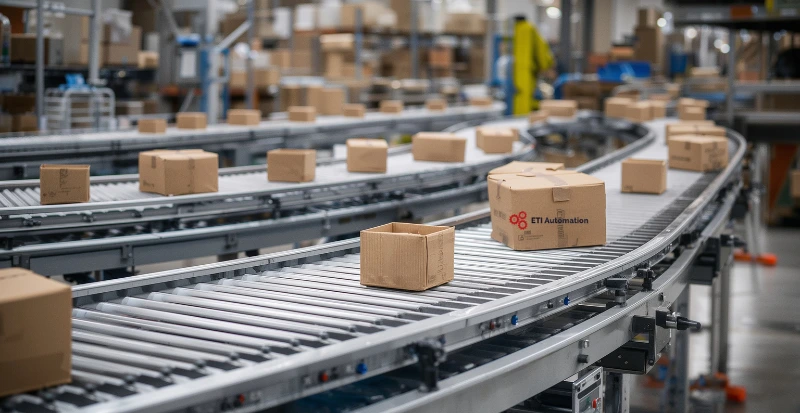
Let’s consider a small packaging factory.
Requirements:
- 20 meter belt conveyor
- Carton handling
- Semi-automatic operation
- Mild steel structure
Estimated cost breakdown:
| Component | Approximate Cost |
| Structure & Frame | ₹1,20,000 |
| Belt & Rollers | ₹60,000 |
| Motor & Drive | ₹40,000 |
| Control Panel | ₹50,000 |
| Installation | ₹30,000 |
Total Estimated Cost: ₹3–4 lakh
Costs may vary depending on supplier and customization.
How Businesses Can Reduce Conveyor System Costs
Many companies overspend because they do not plan correctly.
Here are practical tips to control costs.
Plan Conveyor Layout Early
Integrating conveyors during factory planning helps avoid expensive modifications later.
Choose the Right Conveyor Type
Not every process requires a complex automated system.
Sometimes a simple roller conveyor works perfectly.
Focus on Long-Term Efficiency
Cheap conveyors often lead to:
- Frequent breakdowns
- Higher maintenance
- Lower productivity
Investing in reliable systems saves money over time.
Work With Experienced Manufacturers
Experienced manufacturers understand:
- Industrial processes
- Layout optimization
- Energy efficiency
This helps businesses get better performance with controlled budgets.
Why Indian Industries Are Investing More in Conveyor Systems
India’s manufacturing sector is rapidly adopting automation.
According to industry reports:
- The Indian material handling equipment market is growing at 8–10% annually.
- Warehouse automation demand has increased due to e-commerce growth.
- Manufacturing companies are upgrading facilities to improve productivity and global competitiveness.
Conveyor systems are a core part of this transformation.
How Eti Automation Helps Businesses Choose the Right Conveyor System
Choosing the right conveyor system requires experience and proper engineering planning.
At Eti Automation, we help businesses by:
- Understanding their production process
- Designing efficient conveyor layouts
- Selecting the right materials and components
- Ensuring smooth installation and reliable operation
Our goal is not just to supply equipment but to help businesses build efficient material handling systems that support long-term growth.
Final Thoughts
The cost of a conveyor system in India depends on many factors.
These include:
- Conveyor type
- System length
- Material used
- Load capacity
- Automation level
- Custom design requirements
- Installation complexity
While price is important, businesses should also consider reliability, efficiency, and long-term value.
A well-designed conveyor system can transform operations by improving speed, reducing labor, and supporting business growth.If you are planning to install a conveyor system, understanding these cost factors will help you make better decisions and invest wisely.
FAQs – Conveyor System Cost in India
The cost of a conveyor system in India can range from ₹50,000 to ₹50 lakh or more, depending on the conveyor type, system length, automation level, and materials used. Simple conveyors for small operations are affordable, while large automated systems require higher investment.
Several factors influence the price of a conveyor system, including:
– Type of conveyor
– System length and layout
– Load capacity
– Material used (mild steel or stainless steel)
– Motor and drive system
– Level of automation
– Installation and customization requirements
Each project has different requirements, which is why pricing varies.
Roller conveyors and basic belt conveyors are usually the most affordable options. They are commonly used in warehouses and packaging units where simple product movement is required.
Automated conveyor systems include advanced components such as:
– PLC control panels
– Sensors
– Automated sorting
– Integration with warehouse systems
These features increase efficiency and reduce labor, but they also increase the overall system cost.
Yes. The material used in the conveyor structure affects pricing.
For example:
Mild steel conveyors are more economical.
Stainless steel conveyors are more expensive but required in industries like food processing, pharmaceuticals, and dairy for hygiene and corrosion resistance.
Installation usually costs 5% to 15% of the total system price. This includes assembly, electrical connections, testing, and commissioning to ensure the conveyor operates safely and efficiently.
Installation time depends on the system size and complexity.
Typical timelines:
– Small conveyors: 1–3 days
– Medium industrial systems: 1–2 weeks
– Large automated systems: 3–6 weeks
Proper planning helps reduce installation time.
Modern conveyor systems are designed to be energy efficient. Using high-efficiency motors, proper speed control, and optimized layouts can reduce electricity consumption and operating costs.
Yes. Conveyor systems are often custom-designed to match the production process of industries such as:
– Food and beverage
– Pharmaceuticals
– Automotive manufacturing
– Warehousing and logistics
– Packaging and bottling plants
Customization ensures better efficiency and workflow.
Businesses can control conveyor costs by:
– Planning the layout early
– Choosing the right conveyor type
– Avoiding unnecessary automation
– Working with experienced manufacturers like Eti Automation who can design efficient systems based on real operational needs.